
Death, Fear, and Human Frailty
Of Human BondageDeath strips away public certainty and reveals how fear and tenderness persist even in those who believed they were prepared.
increasing Bearing strength in each event
 decreasing
Bearing strength in each eventdecreasingThe Mother's Death
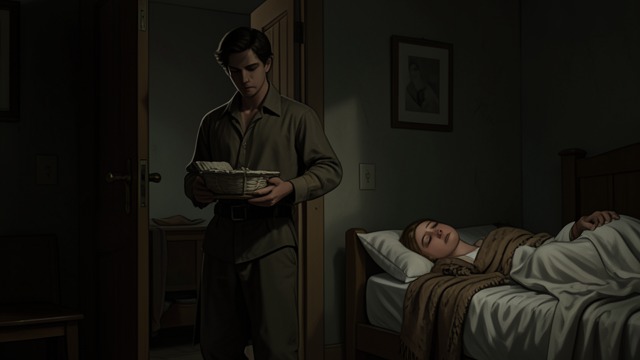
The Mother's Death
Philip's mother dies after childbirth, and her final concern is the future of the son she must leave behind. Death enters his life before he can understand it.
Absence as inheritance
The loss creates a lasting gap rather than a clearly remembered relationship. Philip grows up sensing the value of a love that can no longer be returned.
Fanny's Death
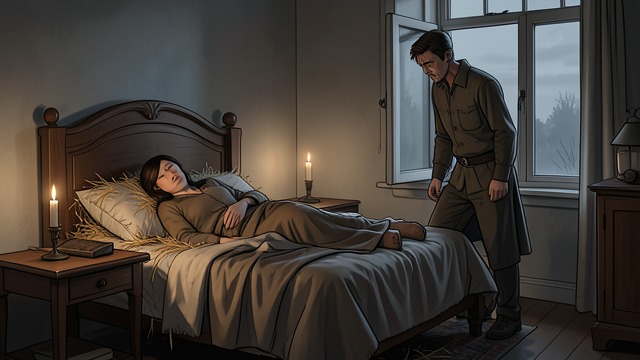
Fanny's Death
Fanny Price dies alone after prolonged poverty, making the danger of artistic failure brutally visible. The people around her had mistaken her concealment for independence.
A life not protected
Her death cannot be softened by romantic stories of sacrifice. Philip's memory of her forces him to recognise how easily a person in need may remain unseen.
Cronshaw's Acceptance

Cronshaw's Acceptance
Cronshaw knows his health is failing but refuses to give up alcohol, the pleasure he values most. He says he accepts the consequences, even while admitting that fear may come when he is alone.
Courage and denial
His stance is neither pure wisdom nor simple recklessness. It shows how a person can affirm chosen pleasures while remaining vulnerable to the fear of death.
The Vicar's Terror
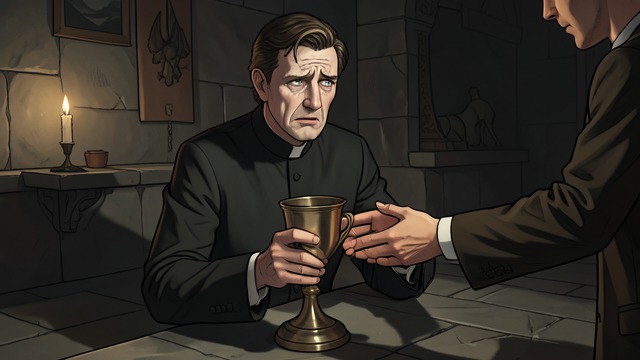
The Vicar's Terror
William Carey, a clergyman who has preached comfort to the dying, becomes frightened as death approaches. He asks to receive communion and clings to Philip's hand before the service.
Faith's immediate power
The sacrament changes his expression and allows him to meet death with acceptance. Philip sees belief provide a real comfort, even though he cannot share its assurance.
A Young Mother's Death
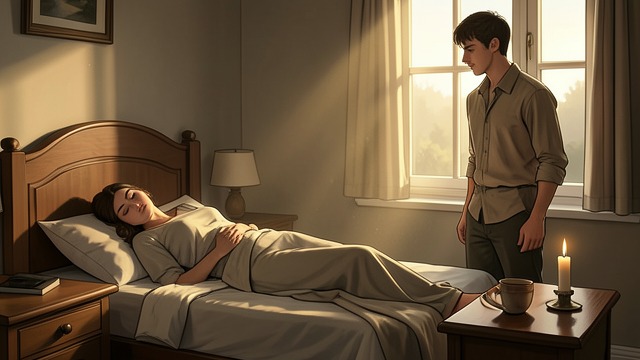
A Young Mother's Death
A young woman dies after childbirth while her husband stands helpless beside the bed. Philip witnesses the event and later sees the beauty of dawn over London.
Pity and perspective
The tragedy is not redeemed by the landscape, but neither is the landscape made meaningless by suffering. Philip's response holds both facts at once.
at the beginning of Philip's life
during Philip's Paris years
during Cronshaw's final illness
during William Carey's final hours
during Philip's last district obstetrics assignment
